Head Injuries in the Workplace: What Every Victorian Business Needs to Know
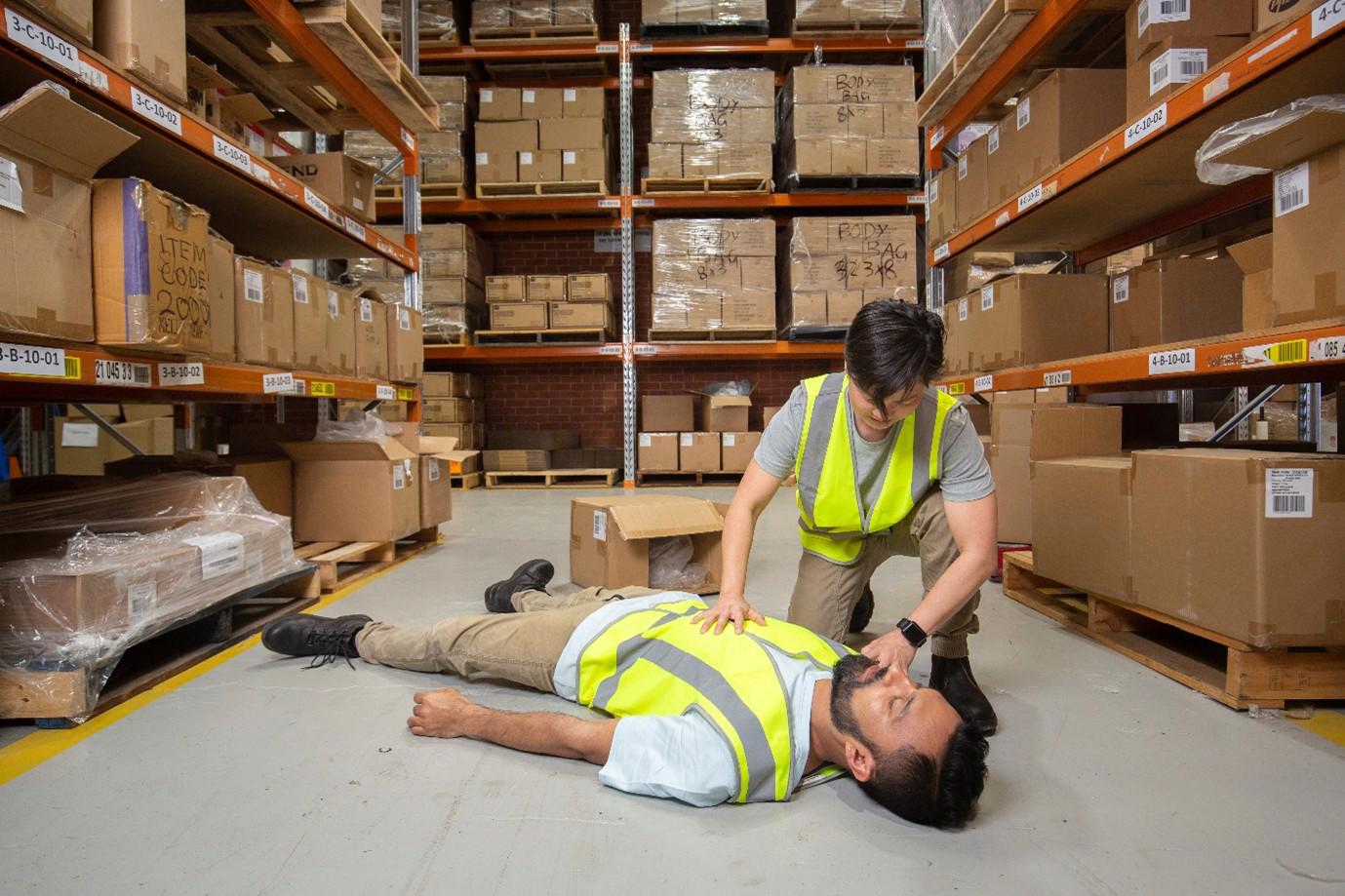
Every workplace, from construction sites and warehouses to offices and community settings, carries some level of risk. While cuts and sprains are common, head injuries remain one of the most serious and potentially life-threatening injuries in Australian workplaces.
According to the Australian Bureau of Statistics, over 700,000 Australians have a brain injury, with daily “activity limitations” and “participation restrictions”.
A blow to the head can happen in seconds. A slip on a wet floor. A fall from a ladder. An object falling from height. Even a minor knock can have serious consequences if not recognised and managed correctly.
St John Ambulance Victoria prepares Victorian workplaces to respond confidently to head injuries, by providing onsite first aid training, which is a convenient and flexible training solution, tailored for workplaces and organisations that wish to train a group of staff at the same time, because fast, calm and informed action can make all the difference.
The Most Common Workplace Head Injuries
Workplace head injuries vary depending on the industry, but some of the most common include:
- Concussion
Often caused by a fall, collision, or being struck by an object, concussion is a mild traumatic brain injury. It may not always involve loss of consciousness, which is why it’s sometimes missed.
Common signs include:
- Headache
- Dizziness or confusion
- Nausea or vomiting
- Blurred vision
- Sensitivity to light or noise
- Skull Fractures
More likely in high-risk environments such as construction or manufacturing, skull fractures are serious and require urgent medical attention.
Red flags include:
- Severe headache
- Bruising around the eyes or behind the ears
- Clear fluid leaking from the nose or ears
- Drowsiness or deteriorating consciousness
- Cuts and Scalp Wounds
Scalp injuries can bleed heavily, even if the injury itself appears small. Heavy bleeding can be alarming, but first aid is a vital initial step.
- Head and Spinal Injuries from Falls
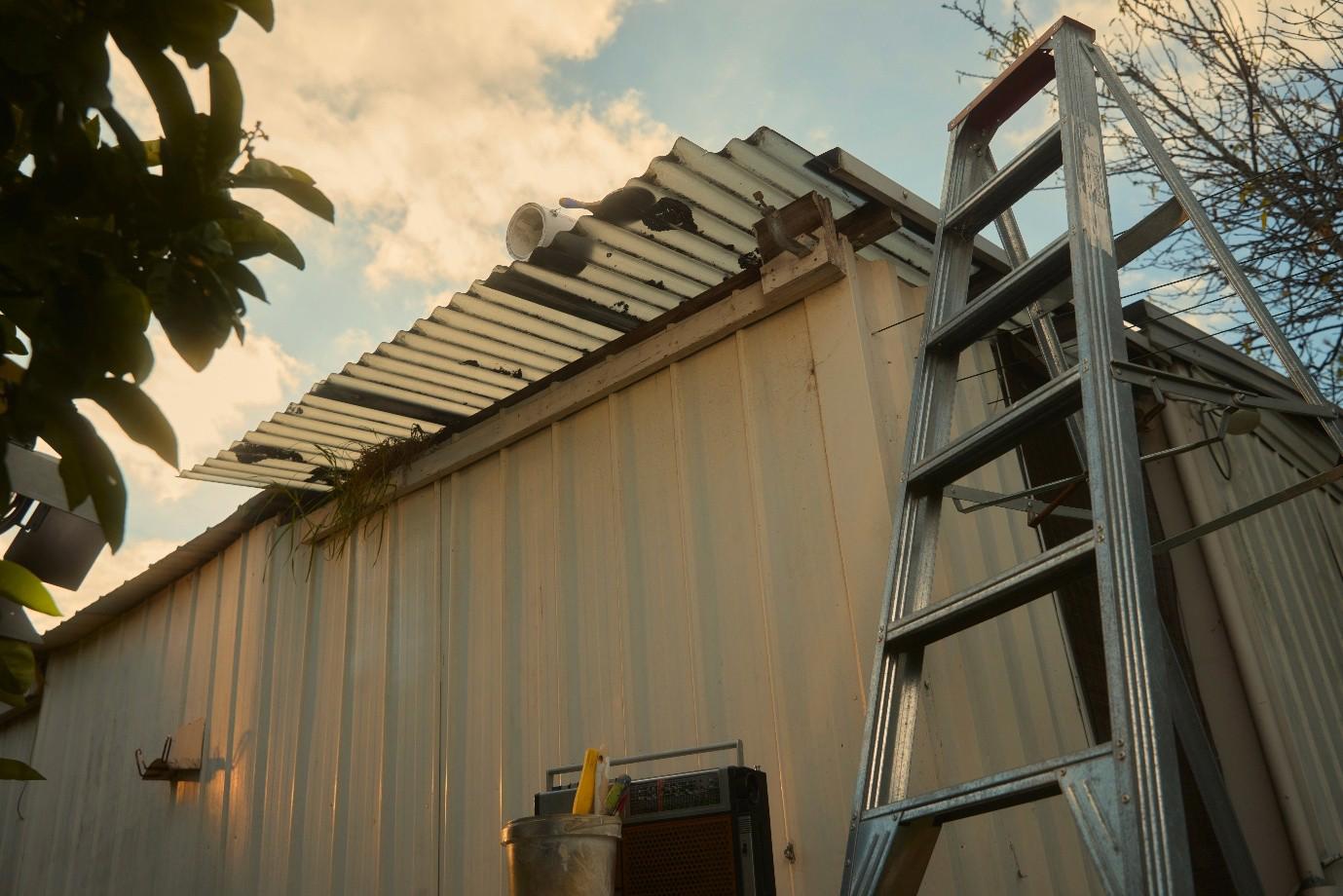
Falls from height, ladders, platforms or stairs, are a leading cause of workplace injury. When a head injury occurs from a fall, always consider a possible neck or spinal injury as well.
Why Head Injuries Are So Serious
The brain controls everything we do, breathing, thinking, movement and memory. Even what appears to be a “minor bump” can lead to delayed symptoms.
In a workplace setting, the risk increases if:
- The person continues working without assessment
- Symptoms are ignored
- There is no trained first aider on site
Under Victorian workplace safety obligations, employers must ensure appropriate first aid arrangements are in place, and that includes staff who know how to recognise and respond to injuries.
Workplace First Aid: Why it’s Important
If someone experiences a head injury at work, even if there is a short delay in providing the appropriate treatment, this can lead to major problems to the patient’s health. That’s why having staff trained and confident to provide first aid can help to:
- Minimise the chance of additional brain trauma
- Avoid unnecessary movement that may aggravate a spinal injury
- Recognise warning signs promptly to ensure timely medical attention
Demonstrate a commitment to workplace health and safety
What To Do Immediately
Unconscious patient:
- Follow DRSABCD
- Call triple zero (000)
- Place the patient in recovery position
- Treat any bleeding as for a conscious patient
Conscious patient
- Follow DRSABCD
- Help patient to lie down with head and shoulders slightly raised.
- Control any bleeding with direct, firm pressure to bleeding point
- If blood or fluid comes from the ear, secure a sterile dressing lightly over the ear. Lie the patient on the side with the discharge, if possible, to allow the fluid to drain.
- Seek medical aid - when in doubt, always treat it as serious.
Prevention Starts with Training
Personal protective equipment and safety procedures reduce risk, but when an incident occurs, confidence in first aid response matters.
Workplace first aid training helps staff:
- Recognise early signs of concussion
- Manage bleeding effectively
- Respond appropriately to spinal injuries
- Make confident decisions under pressure
St John Ambulance Victoria offers practical, nationally recognised training tailored to Victorian workplaces, including our Bitesize eLearning course on Head, Neck, Spinal, Chest and Abdominal Injuries, ideal for refreshing knowledge or strengthening workplace safety awareness.
Learn more or enrol today: First Aid Courses | First Aid Training & Certification | St John Ambulance VIC Australia
Be Prepared. Because Seconds Matter.

Head injuries don’t come with a warning. But preparation does.
Whether you manage a construction site, a corporate office, a school or a community organisation, ensuring your team knows what to do could protect a life, and prevent long-term harm.
At St John Ambulance Victoria, we believe every workplace should be ready.
Is your team prepared?

Lifesaving Tips for Head Injury First Aid Treatment
When it comes to first aid, head injuries are one of the most serious and challenging concerns to treat.

Bitesize eLearning Course: Head, Neck, Spinal, Chest and Abdominal Injuries
Head, neck, spine, chest and abdominal injuries can be dangerous due to the sensitive nature of the affected body part.

Essential First Aid Skills Every Tradie Should Master
A whopping one-third of all Australia’s workforce are tradies.